
A FIELD REPORT ON MOVEMENT
Movement is easier to manage when you can see it.
Jim, salmon moving through the Columbia and Snake rivers are counted at every major passage. Columbia Sportswear’s people and travel spend should be just as visible.
Navan brings booking, card, and expense into one system—giving Finance a current view of every trip and every dollar, without waiting until after the journey.
The short version
Salmon
Movement is recorded at each major checkpoint.
Corporate travel
Bookings, card transactions, and expenses can live in separate systems and arrive at different times.
Navan
Finance gets one connected view of trips, policy, and spend as they happen.
One system. Fewer blind spots. A clearer path from booking to close.
01Why salmon?
The Conservation Alliance
As Treasurer of The Conservation Alliance, you’re helping support an organization working to protect outdoor places—including the rivers and habitat salmon depend on.
The RepYourWater hat is a small acknowledgment of that work. A portion of every sale supports river conservation.
This field report takes one idea from the river—the value of seeing movement across a complex system—and applies it to Columbia Sportswear’s travel and expense program.
 Plate 01
02The river already has a visibility system.
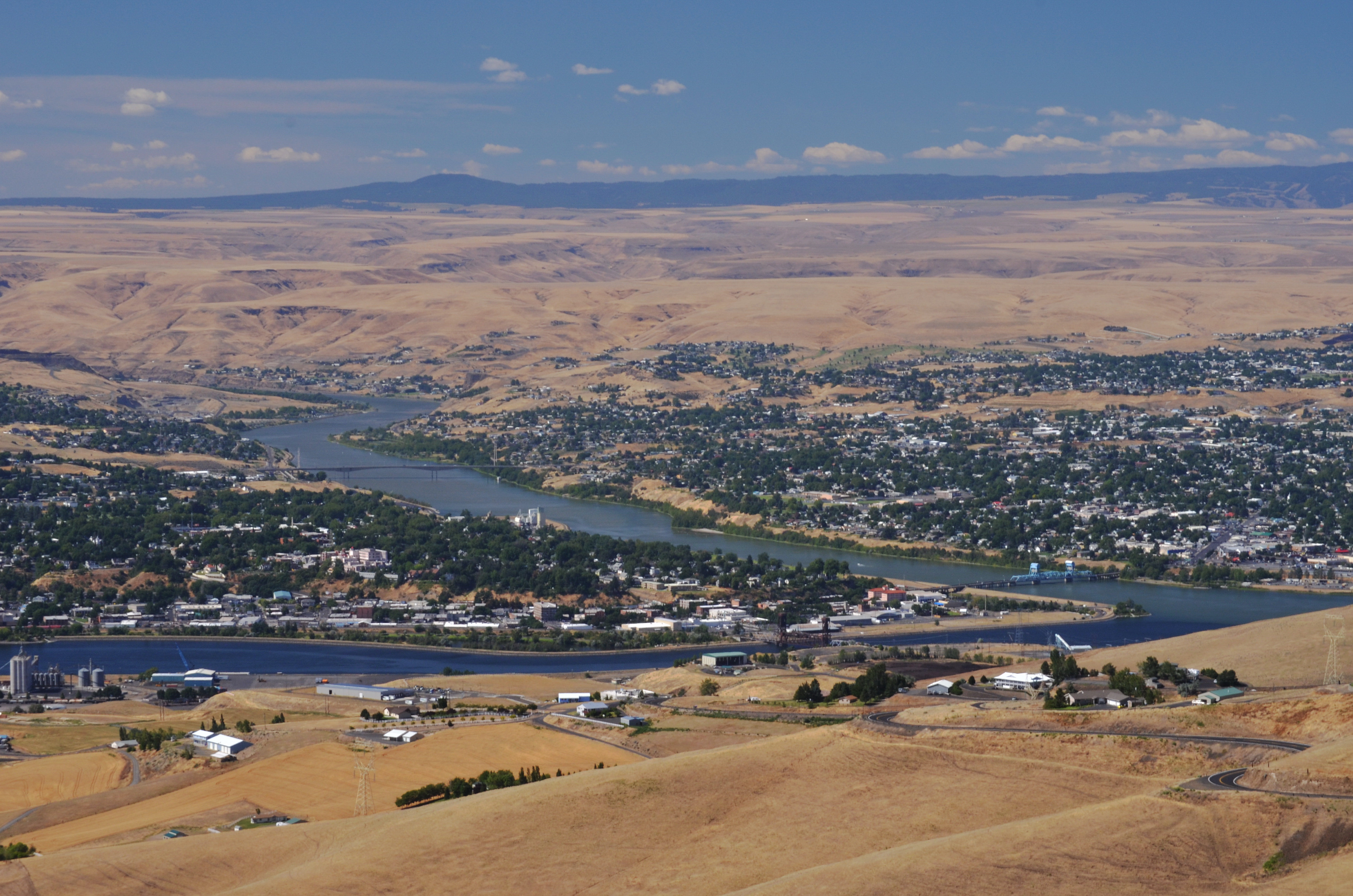
Columbia & Snake · USGS / USACE via DART
A salmon returning to Idaho travels from the Pacific into the Columbia and then up the Snake River. Along the way, it passes eight major dams. At every passage, its movement creates a signal:
8 major checkpoints
Across the Columbia and Snake rivers.
Same-day reporting
Fish counts are recorded as movement occurs.
One connected route
Each checkpoint contributes to a larger picture.
The route from the Pacific to Idaho
- Bonneville — fish counted here
- The Dalles — Columbia mainstem
- The four dams — lower Snake
- Lower Granite — last checkpoint
The route from the Pacific to Idaho, with each major passage contributing to a shared view of movement through the system.
Columbia RiverPacific to the confluence
- Bonnevillefish counted hereRM 146
- The DallesRM 192
- John DayRM 216
- McNaryRM 292
Snake Riverconfluence to Lewiston, Idaho
- Ice HarborRM 10
- Lower MonumentalRM 41
- Little GooseRM 70
- Lower GraniteRM 108
What this makes possible
The system can show how many fish have passed, where they were counted, and when they moved through. That visibility makes it possible to understand what is happening across the entire journey—not months after it ends, but while it is still underway.
03What does that have to do with business travel?
Subject: Columbia Sportswear
Every year, Columbia Sportswear employees move across teams, regions, and routes. Unlike salmon, they book flights, use corporate cards, change itineraries, submit expenses, and create financial commitments along the way.
But when those activities sit in different systems, Finance may have to reconstruct the journey after it happens.
Two kinds of travel. Two very different views.
Salmon travel
- Movement captured at checkpoints
- Activity reported the same day
- One view across the route
Corporate travel without Navan
- Booking, card, and expense data separated
- Costs appear at different stages
- Finance pieces together the picture later
Corporate travel with Navan
- Travel, card, and expense connected
- Committed and actual spend visible sooner
- One view by traveler, team, region, and route
04What Navan changes for Columbia
Travel, card & expense
- 01
See spend while it is happening.
Give Finance a current view of booked, committed, unbilled, and submitted travel spend—without waiting for expense reports or quarter close.
- 02
Put policy inside the journey.
Guide employees toward in-policy options at the point of booking, before the money is spent.
- 03
Replace reconciliation with one connected record.
Bring travel, card, and expense activity together so teams spend less time finding, matching, and categorizing transactions.
- 04
Make travel easier for employees, too.
Give travelers one place to book, manage changes, access support, and submit expenses while Finance maintains visibility and control.
A clearer view from booking to close
- 01
Before the trip
Policy guides the booking decision.
- 02
During the trip
Changes, transactions, and support stay connected.
- 03
After the trip
Expenses flow into the same record, reducing manual reconciliation.
- 04
For Finance
Spend can be viewed by team, entity, region, traveler, or route.